ACT I
PROLOGUE Two households, both alike in dignity,
In fair Verona,
where we lay our scene,
From ancient grudge break to new mutiny,
Where civil blood makes civil hands unclean.
From forth the fatal loins of these two foes
A pair of star-cross'd lovers take their life;
[…]
ACT V
EPILOGUE
PRINCE
A glooming peace this morning with it brings;
The sun, for sorrow, will not show his head:
Go hence, to have more talk of these sad things; Some shall be pardoned and some punished.
For never was a story of more woe
Than this of Juliet and her Romeo.
Give a short plot
outline of the famous drama! Comment on
the Prologue and the Epilogue of this famous play. What is meant by: “star-cross'd lovers”?
Deal with topics, interesting to you! (e.g. Love and hate,
love at the first sight, passion, sex, marriage, the church, religion,
violence, death, drugs, friends and group pressure, committing suicide, enemies,
relatives and parents, …)
In your opinion, which measures are to be taken to prevent young
people from committing suicide and lead a happy life?
Here are 10 study questions for the movie In Time that explore its themes, characters, and societal implications:
Concept of Time: How does the film use time as a currency? What does this say about the value of life and societal structure?
Class Division: Discuss the social classes represented in In Time. How does the disparity between the rich and the poor affect the characters and their actions?
Protagonist’s Motivation: What drives Will Salas to take action against the system? How do his motivations evolve throughout the film?
Relationship Dynamics: Analyze the relationship between Will and Sylvia. How does their connection challenge or reinforce the film's themes of wealth and survival?
The Role of Authority: How are law enforcement and authority figures portrayed in the film? What do they represent in terms of control and oppression?
Moral Choices: Explore the ethical dilemmas faced by the characters. What moral compromises do they make in their fight against the system?
Symbolism of Time: Discuss the significance of the clock tattoos and how they symbolize the characters' lives and struggles.
Rebellion and Resistance: How do Will and Sylvia's actions serve as a form of rebellion against the societal norms? What impact do they have on those around them?
Impact of Technology: How does the film depict the relationship between technology and society? In what ways does it contribute to the themes of control and freedom?
Ending and Reflection: What message does the film convey through its conclusion? How does it invite viewers to reflect on their own relationship with time and value?
These questions should help foster a deeper understanding of the film's themes and encourage critical thinking about its societal implications.
Imagine the following situation: Movie Night at University
Individual Long Turn4-5 min
You
study at the University of Natural
Resources and Life Science, Vienna (BOKU)
and you organise a movie night. For your international colleagues you introduce
the film before you show it.
Make a short
introduction to lead in the movie
Give reasons why this utopian
movie is worth watching
Give some examples of
famous novels and films of the utopian genre
Point out parallels
between the movie and the real world, considering the concept of time
zones and the life expectancies in the world
Describe migration as
an omnipresent phenomenon through history
Paired Activity8-10 min.
After
the film you take some dinks with your colleagues. There you converse about:
several aspects of the
movie, like rebellion, civic courage, civil disobedience, conformism vs.
individualism; etc.
discrimination in
Europe/Austria against foreigners and people with different origin
the problems and
chances of migration and the solutions to fight discrimination in Austria/Europe
Environmental pollution comes in various forms, affecting air, water, soil, and even sound. Here are 15 kinds of environmental pollution:
Air Pollution: This involves the release of harmful gases, particulate matter, and biological molecules into the atmosphere, often from industrial processes, vehicle emissions, and the burning of fossil fuels.
Water Pollution: Contamination of water bodies like rivers, lakes, oceans, and groundwater by pollutants such as chemicals, pathogens, and waste products from industrial, agricultural, and urban sources.
Soil Pollution: Soil contamination occurs due to the presence of hazardous substances, including heavy metals, pesticides, and industrial chemicals, which affect soil fertility and can harm plants, animals, and humans.
Noise Pollution: Excessive noise from sources like traffic, industrial machinery, and urban development disrupts ecosystems, disturbs wildlife, and poses health risks to humans, including hearing loss and stress-related issues.
Light Pollution: Artificial light from streetlights, buildings, and vehicles can disrupt natural light cycles, impacting wildlife behaviour, disrupting ecosystems, and contributing to energy waste.
Thermal Pollution: This results from the release of heated water into natural water bodies from industrial processes, power plants, and urban runoff, which can harm aquatic ecosystems and alter water temperatures.
Plastic Pollution: The accumulation of plastic waste in the environment, especially in oceans and waterways, poses significant threats to marine life, ecosystems, and human health through ingestion, entanglement, and chemical leaching.
Radioactive Pollution: The release of radioactive substances into the environment from nuclear power plants, mining operations, and improper disposal of radioactive waste poses long-term health risks to humans and ecosystems.
Visual Pollution: Unsightly visual elements such as litter, graffiti, and poorly maintained infrastructure degrade the aesthetic quality of the environment, impacting mental well-being and property values.
Biological Pollution: The introduction of invasive species, pathogens, and genetically modified organisms into ecosystems can disrupt the natural balance, threaten biodiversity, and cause ecological harm.
Electromagnetic Pollution: This includes electromagnetic radiation from sources such as power lines, wireless communication devices, and electrical appliances, which may have health impacts on humans and wildlife.
Chemical Pollution: The release of harmful chemicals and toxins into the environment from industrial processes, agriculture, and improper waste disposal poses risks to ecosystems, wildlife, and human health.
Groundwater Pollution: Contamination of underground water reservoirs by pollutants such as pesticides, fertilizers, and industrial chemicals can render water unfit for consumption and agricultural use.
Acid Rain: Acidic precipitation resulting from the release of sulfur dioxide and nitrogen oxides into the atmosphere combines with atmospheric moisture, causing damage to forests, aquatic ecosystems, and infrastructure.
E-waste Pollution: Improper disposal and recycling of electronic waste, including computers, smartphones, and appliances, releases hazardous materials like lead, mercury, and cadmium into the environment, posing health and environmental risks.
Oral TASK:
How would you characterise the Simpsons family? Give a short plot
outline of “The Simpsons – Movie”. Why is it a film about environmental
protection? What is largely criticised in this cartoon series?
You are a member of GREENPEACEhttp://www.greenpeace.organd
you want to convince a good friend to join the organisation to fight
against environmental pollution. Which arguments can you give?
In
your opinion, are we sometimes as careless as the Simpsons family? What
can everybody do, to make our world a better place to live?
Imagine the following situation: English Course Landjugend
Monolog You
are a member of your local “Landjugend”
organisation. Some of your friends want to improve their English. So you organise
a weekly evening to show a film and to talk about interesting topics. This week
you want show the famous movie Basketball
Diaries, based on an autobiographical story.
Make a short
introduction to lead in the film
Illustrate which kinds
of drugs you know - that they can take care when they are in discos, that
nothing dangerous is put into their drinks.
You try to warn your
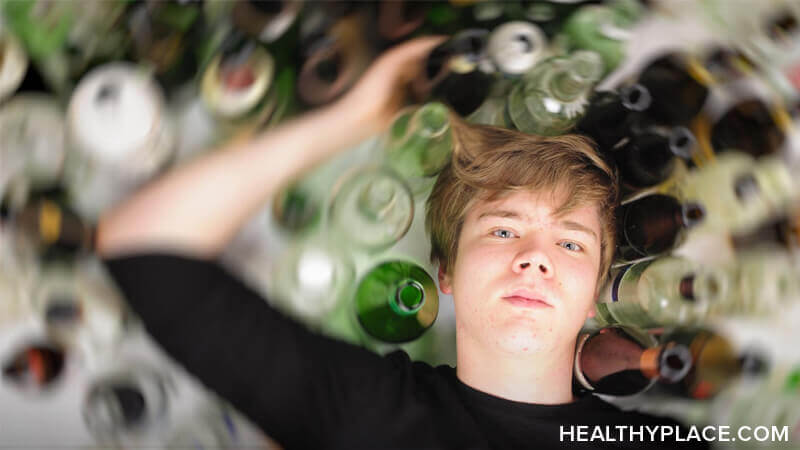
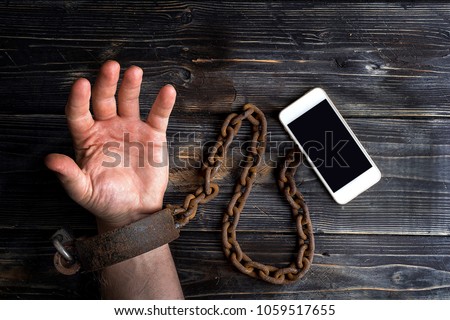
friends from taking drugs and other addictions
Dialogue
After
the film you take some drinks with your colleagues. There you converse about:
Types of drugs and dependencies and how to avoid them
Evaluate
the role peer-pressure plays
Give
advice and recommend good stress management strategies
Explain the concept of
Carpe Diem/ to seize the day
Asses stress and
pressure for young people nowadays
Recommend your personal
stress management strategies and concepts of happiness
A warm welcome to our students' blog! This is our platform for homework and commentaries! Students have to post their homework on TEAMS, read and comment on the homework of other students. Homework assignments are posted by me, Helmut Kalss. Detailed information is given with the assignments. My comments and corrections are discussed in class (Error File). There is a deadline for every homework assignment and posts submitted later cannot be accepted
Hi folks! Always when you like a text, just feel free to give a feedback! What is it you appreciate? When you think you classmate has overlooked a mistake – just tell him/her. Making mistakes is really no problem, but we shouldn’t make the same mistakes again and again! Just help you friend to avoid this mistake in the future! You can communicate via e-mail! All for each and each for all! If you have any problems or questions concerning the task, feel free to ask me in class or online. Just post a comment or send an e-mail: kalss@schule-raumberg.at
I will be very happy to help you. All the best and have fun! hk