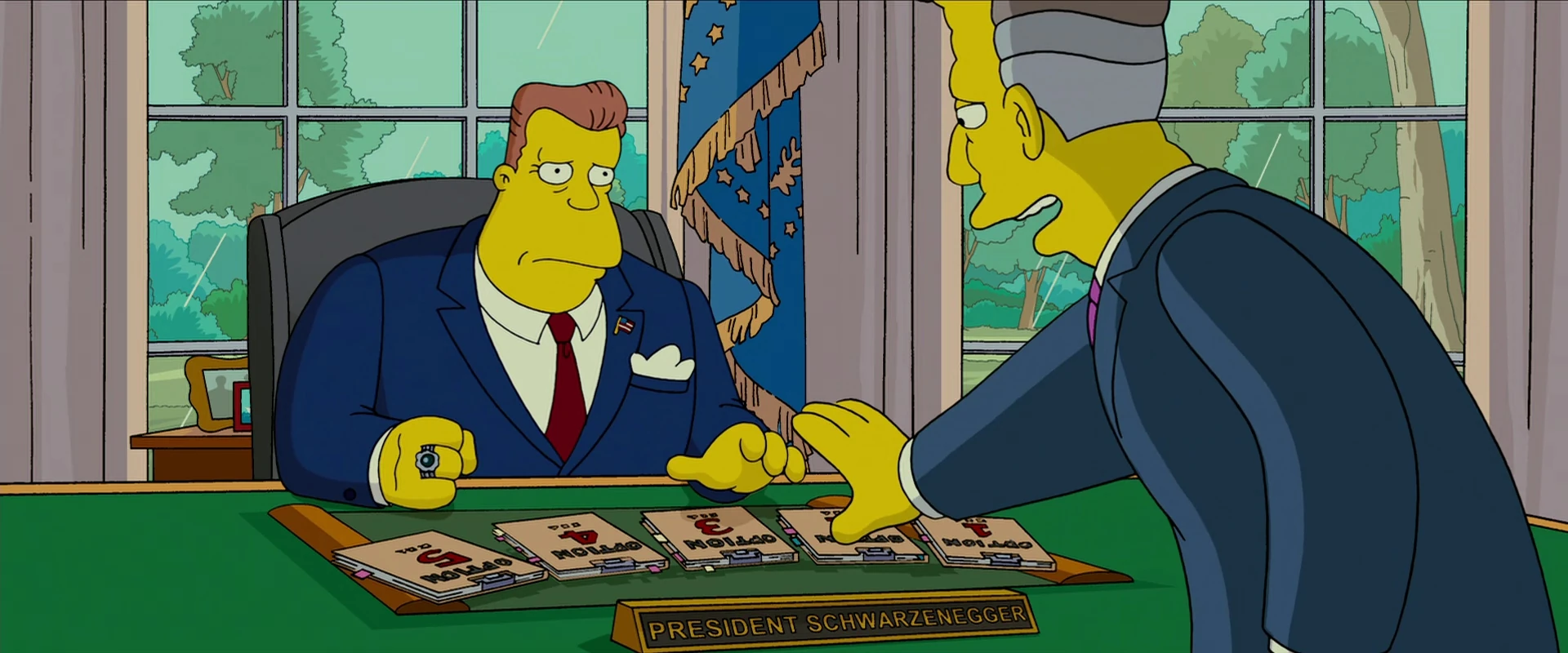

Simpsons/ Environmental Pollution


Environmental pollution comes in various forms, affecting air, water, soil, and even sound. Here are 15 kinds of environmental pollution:


  1. Air Pollution: This involves the release of harmful gases, particulate matter, and biological molecules into the atmosphere, often from industrial processes, vehicle emissions, and the burning of fossil fuels.

  2. Water Pollution: Contamination of water bodies like rivers, lakes, oceans, and groundwater by pollutants such as chemicals, pathogens, and waste products from industrial, agricultural, and urban sources.

  3. Soil Pollution: Soil contamination occurs due to the presence of hazardous substances, including heavy metals, pesticides, and industrial chemicals, which affect soil fertility and can harm plants, animals, and humans.

  4. Noise Pollution: Excessive noise from sources like traffic, industrial machinery, and urban development disrupts ecosystems, disturbs wildlife, and poses health risks to humans, including hearing loss and stress-related issues.

  5. Light Pollution: Artificial light from streetlights, buildings, and vehicles can disrupt natural light cycles, impacting wildlife behaviour, disrupting ecosystems, and contributing to energy waste.

  6. Thermal Pollution: This results from the release of heated water into natural water bodies from industrial processes, power plants, and urban runoff, which can harm aquatic ecosystems and alter water temperatures.

  7. Plastic Pollution: The accumulation of plastic waste in the environment, especially in oceans and waterways, poses significant threats to marine life, ecosystems, and human health through ingestion, entanglement, and chemical leaching.

  8. Radioactive Pollution: The release of radioactive substances into the environment from nuclear power plants, mining operations, and improper disposal of radioactive waste poses long-term health risks to humans and ecosystems.

  9. Visual Pollution: Unsightly visual elements such as litter, graffiti, and poorly maintained infrastructure degrade the aesthetic quality of the environment, impacting mental well-being and property values.

  10. Biological Pollution: The introduction of invasive species, pathogens, and genetically modified organisms into ecosystems can disrupt the natural balance, threaten biodiversity, and cause ecological harm.

  11. Electromagnetic Pollution: This includes electromagnetic radiation from sources such as power lines, wireless communication devices, and electrical appliances, which may have health impacts on humans and wildlife.

  12. Chemical Pollution: The release of harmful chemicals and toxins into the environment from industrial processes, agriculture, and improper waste disposal poses risks to ecosystems, wildlife, and human health.

  13. Groundwater Pollution: Contamination of underground water reservoirs by pollutants such as pesticides, fertilizers, and industrial chemicals can render water unfit for consumption and agricultural use.

  14. Acid Rain: Acidic precipitation resulting from the release of sulfur dioxide and nitrogen oxides into the atmosphere combines with atmospheric moisture, causing damage to forests, aquatic ecosystems, and infrastructure.

  15. E-waste Pollution: Improper disposal and recycling of electronic waste, including computers, smartphones, and appliances, releases hazardous materials like lead, mercury, and cadmium into the environment, posing health and environmental risks.




Oral TASK: 

How would you characterise the Simpsons family? Give a short plot outline of “The Simpsons – Movie”. Why is it a film about environmental protection? What is largely criticised in this cartoon series?

You are a member of GREENPEACE http://www.greenpeace.org and you want to convince a good friend to join the organisation to fight against environmental pollution. Which arguments can you give?

In your opinion, are we sometimes as careless as the Simpsons family? What can everybody do, to make our world a better place to live? 
 

Dependencies and Drugs


https://www.newscientist.com/article/2192721-teenagers-who-copy-each-others-risk-taking-have-more-friends/


https://www.newportacademy.com/resources/mental-health/truth-about-teens-risky-behavior/


https://www.psychguides.com/behavioral-disorders/porn-addiction/


https://www.youtube.com/watch?v=cRZe7AhO_i8

https://www.youtube.com/watch?v=HHI-7I9kD5k

https://www.youtube.com/watch?v=lEXBxijQREo

https://www.youtube.com/watch?v=EV_Uvu_rYXM


https://eu.app.com/story/sports/2018/02/23/painkillers-and-teen-athletes-its-easy-get-addicted-after-injury-opioids/362245002/


TALKING ACTIVITY: BASKETBALL DIARIES 


https://www.youtube.com/watch?v=3bWzsZTa-v0

Imagine the following situation: English Course Landjugend

Monolog                                                                                                                                                        
You are a member of your local “Landjugend” organisation. Some of your friends want to improve their English. So you organise a weekly evening to show a film and to talk about interesting topics. This week you want show the famous movie Basketball Diaries, based on an autobiographical story.

  • Make a short introduction to lead in the film
  • Illustrate which kinds of drugs you know - that they can take care when they are in discos, that nothing dangerous is put into their drinks.
  • You try to warn your friends from taking drugs and other addictions


Dialogue                                                                                           

After the film you take some drinks with your colleagues. There you converse about:

  • Types of drugs and dependencies and how to avoid them
  • Evaluate the role peer-pressure plays 
  • Give advice and recommend good stress management strategies
  • Explain the concept of Carpe Diem/ to seize the day
  • Asses stress and pressure for young people nowadays
  • Recommend your personal stress management strategies and concepts of happiness

Forestry


https://www.youtube.com/watch?v=CUhTijm-_nQ


https://www.youtube.com/watch?v=Un2yBgIAxYs


Read the text in the supplement - it will provide necessary information and should inspire your individual long turn talk.


Imagine the following situation: Presentation University


Individual Long Turn                                                                                                4-5 min


You study forestry at the University of Natural Resources and Life Science, Vienna (BOKU). You are spending an exchange semester at the University of Sibiu (Romania) at the moment. For a seminar you have to prepare a short presentation about forestry in Austria.


  • Inform your fellow students about the importance and functions of forestry in Austria
  • Explain why wood becomes increasingly important also in the field of architecture
  • Outline the increasing importance of wood in the field of energy supply


Paired Activity                                                                                                           8-10 min.


After your seminar you take some drinks with your colleagues. There you converse about:


  • the importance of our woods for biodiversity and Austrian tourism
  • the advantages of wood as building material
  • problems in Austrian forests
  • the risks of global deforestation
  • sustainable ways of wood production and energy supply


http://www.wallpaperup.com/74771/Rivers_Forests_Stones_Salzach_Austria_Moss_Trees_Nature.


THE AUSTRIAN FOREST ACT

About half of Austria's area is covered by forest land. Therefore, the right use of sustainable management can only be done by a natural oriented forestry. This guarantees a continuous supply of timber, a steady flow of income for the owners - the employers as well as for the employees of the forest industry - and it is also the basis of settlement and agricultural utilization of our environment. Natural oriented forest management can only be a compromise between ecological conditions and economic objectives. The conflicting interests of economy and ecology compel foresters to be flexible since they must deal with public interests more and more.

A basic principle of Austrian forestry is the principle of sustained yields to preserve the forests, their functions and social benefits. This does not necessarily mean to merely copy the regularities of nature but to think in economic terms as well. The strategy of a natural oriented forestry is to combine economy and nature. A well-planned forest policy could be applied to the high standards of environmental policy. However without the natural protective effects of forests - especially regarding avalanches, torrents and mud-rock flows - our Alpine region could not be settled and inhabited.

By Dieter Hanak-Hammerl, Federal Ministry of Agriculture and Forestry, Vienna http://www.fao.org/docrep/w3722e/w3722e05.htm

Vienna plans world's tallest wooden skyscraper

Architects hail environmental benefits of HoHo project – but the city’s fire brigade has concerns


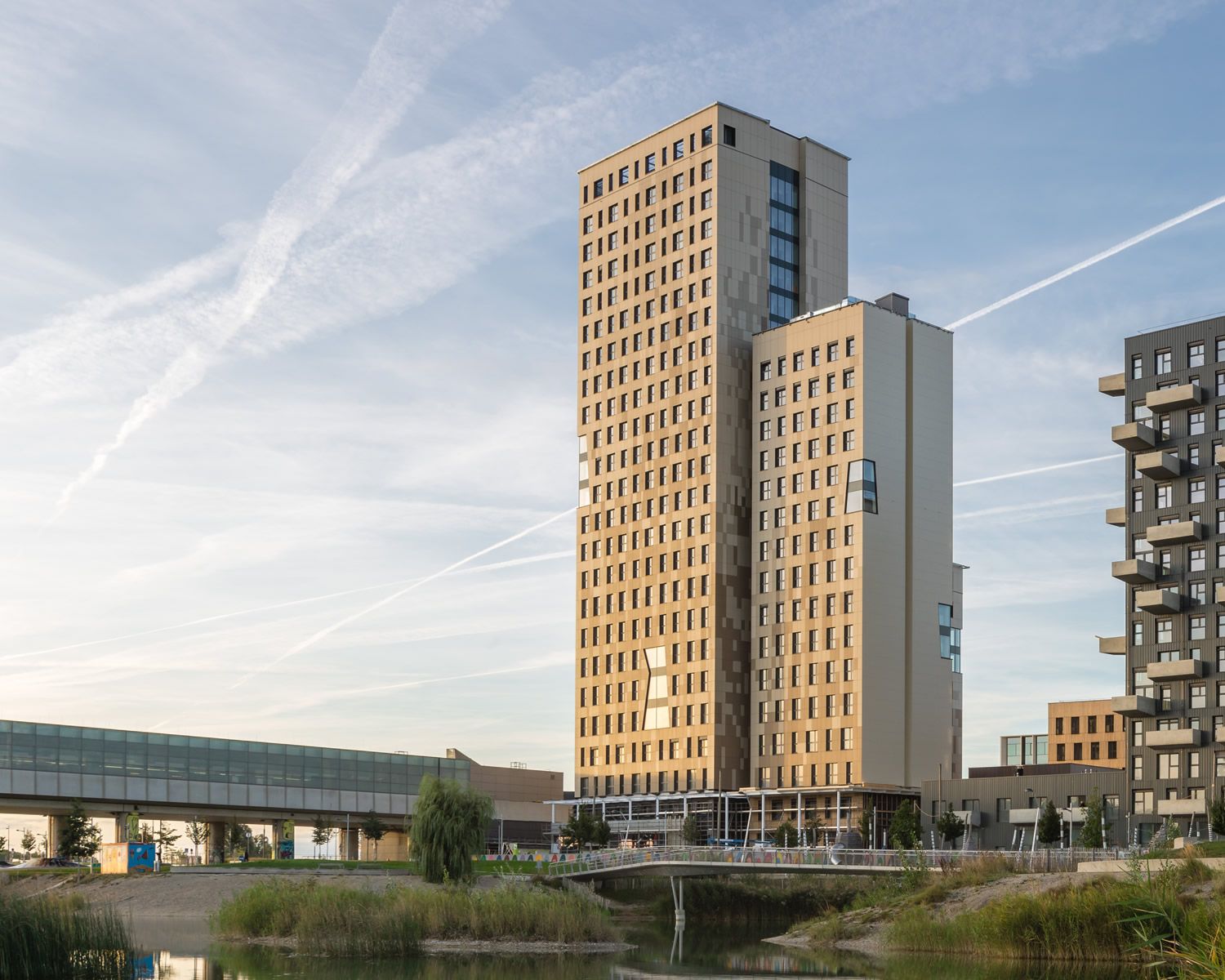
A wooden skyscraper that Austrian architects say will be the tallest of its kind in the world is to be built in Vienna next year. The 84-metre (276ft) HoHo project in the Seestadt Aspern area, one of Europe’s largest urban development sites, will house a hotel, apartments, restaurant, wellness centre and offices, and is expected to cost about €60m (£44m). Project developer Caroline Palfy, of Kerbler, which is behind the building, said the firm chose wood because of its environmental benefits. “I think it is important everyone now in 2014 thinks in different ways. We have wood, which is a perfect construction material for building,” she said. “It was used 200 years ago and it was perfect then and is perfect now. ”With 76% of the building expected to be made from wood, architects say it will save 2,800 tonnes of CO2 emissions when compared with a similar concrete structure, the equivalent of driving a car 25 miles every day for 1,300 years. Compared with wood, which absorbs CO2 from the air while a tree is growing, the production of concrete causes high levels of carbon emissions. The Vienna fire service has concerns about the wooden structure, however, and is working with the architects to test their plans. “The main factor is that everyone wants to build higher and higher buildings. An 84-metre-high building in Europe is not usual and there are a lot of necessities that have to be realised,” said fire service spokesman Christian Wegner. “A few of us were upset because it was crazy to present an idea like this that has not been discussed with everyone yet. “They have to carry out special tests on the correct combination of concrete and wood. We also want to develop a more fail-safe sprinkler system. I expect they will pass the tests but if they develop the building as they say they will, it will be a serious project.” Other high-rise buildings in Vienna have attracted concerns from politicians, who have described their height as “exorbitant” and complained they were not being filled. But Katrina Riedl, spokeswoman for the ÖVP, the Austrian People’s party, defended the latest project. “Vienna is not a skyscraper city but innovation is part of our city and why not try new things,” she said.

https://www.theguardian.com/cities/2015/mar/01/vienna-plans-worlds-tallest-wooden-skyscraper


Romeo and Juliet


https://www.sparknotes.com/shakespeare/romeojuliet/

https://www.shakespearesglobe.com/

Study Questions: 
Imagine the following situation: Leisure Club

Monolog                                                                                           5 min

You are one of the organising members of the Leisure Club and today you watch a modern version of the famous drama: “Romeo and Juliet”. After watching the movie, you give a talk about the film and parallels to our lives. In your talk, answer the following questions:


  • outline why this old story is still topical today
  • explain the reasons behind the increase of social media and online communication
  • contrast the difference between a real-life friendship and a virtual friendship.


Dialog                                                                                               10 min.
With a colleague you discuss modern dating culture and romantic relationships after the meeting. In the discussion you state your opinion on,


Writing TASK:
Interpretation!!!
ACT I
PROLOGUE


Two households, both alike in dignity,
In fair Verona, where we lay our scene,
From ancient grudge break to new mutiny,
Where civil blood makes civil hands unclean.
From forth the fatal loins of these two foes
A pair of star-cross'd lovers take their life;
[…]

ACT V
EPILOGUE
PRINCE
A glooming peace this morning with it brings;
The sun, for sorrow, will not show his head:
Go hence, to have more talk of these sad things;
Some shall be pardoned and some punished.
For never was a story of more woe
Than this of Juliet and her Romeo.


  • Give a short plot outline of the famous drama! Comment on the Prologue and the Epilogue of this famous play. What is meant by: “star-cross'd lovers”?

  • Deal with topics, interesting to you! (e.g. Love and hate, love at the first sight, passion, sex, marriage, the church, religion, violence, death, drugs, friends and group pressure, committing suicide, enemies, relatives and parents, …)

  • In your opinion, which measures are to be taken to prevent young people from committing suicide and lead a happy life?


Conflict: Israel-Palestine


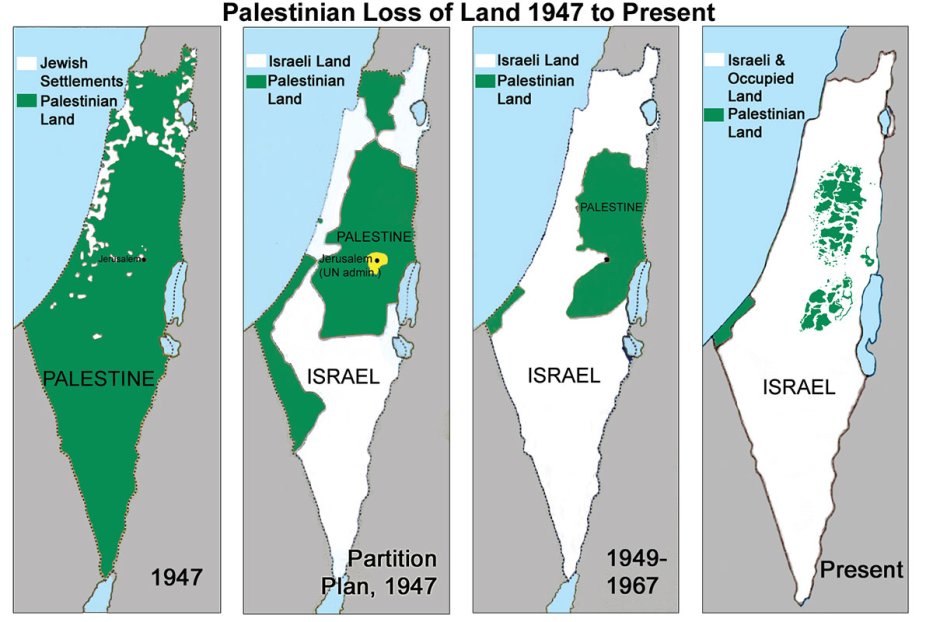
https://www.aljazeera.com/news/2023/10/9/whats-the-israel-palestine-conflict-about-a-simple-guide

----------------------------------------------------------------------------

· Give a short summary of these articles?

· Imagine you are a young Israeli or a young Palestinian and you live in this country. How do you fell about the omnipresent terror? How can we stop the vicious circle of hate and violence? What can be done to make the region a prospering and peaceful country?

· Do you think that the UN and Barack Obama will be able to solve the long-lasting conflict in this region? What could be the solutions